We provide technical documentation covering driver architecture, kernel configuration and modifications, supported hardware and interfaces, build settings, installation procedures, and integration with the target OS.

Kernel and Driver Development Services
We develop low-level software and device drivers that enable reliable interaction between hardware and operating systems across desktop and embedded platforms. Our driver development work accounts for device architecture, OS constraints, performance requirements, and system resources from the start. We identify integration bottlenecks and optimize low-level interactions to improve stability and, responsiveness, reducing the system-level debugging effort for your engineering team.

What we do
Our driver development services cover the low-level work required to integrate custom hardware with the operating system and maintain compatibility as the product evolves. We develop device drivers, kernel modules, and other kernel-level components, and configure and adapt the embedded Linux kernel for target hardware. When integration issues arise, we trace failures across drivers, kernel components, communication interfaces, and hardware rather than treating them as isolated software bugs. We also port existing drivers and adapt them to new board revisions, peripherals, and OS versions. This makes hardware changes easier to introduce and reduces repeated troubleshooting during later development and maintenance.


What’s included
Windows Driver Development
We develop kernel-mode and user-mode drivers for Windows using WDK, KMDF, and UMDF. Depending on the device and system requirements, we implement I/O handling, Plug and Play, power management, interrupt processing, and related system services. Our driver development also includes debugging and performance tuning to ensure reliable operation within the Windows driver stack.

Linux Kernel and Driver Development
When a Linux-based product has strict response-time or throughput requirements, driver behavior can become a performance bottleneck. Our Linux kernel driver development covers interrupt and DMA handling, synchronization, data transfers, and resource management. We analyze these paths under real workloads to reduce latency and maintain stable performance in industrial equipment, measurement systems, and other data-intensive devices.
macOS Driver Development
We develop new macOS drivers and migrate legacy kernel extensions to DriverKit where the framework supports the target hardware. Our custom driver development covers audio, video, storage, and other specialized peripherals. We also handle DriverKit entitlements, code signing, and notarization requirements to support reliable deployment on current macOS versions and Apple silicon.
Embedded Linux Development
General-purpose Linux distributions often include packages and services that an embedded product does not need. We build custom embedded Linux platforms with Yocto and Buildroot, configuring the bootloader, kernel, Device Tree, root filesystem, and required system services for the target hardware. We also optimize image size, boot time, memory use, and power-related system settings. The result is a lean, reproducible Linux platform tailored to the device and ready for further product development.
Android Driver Development
Custom hardware often requires integration below the standard Android framework layer. We develop device drivers and Android HAL components for touchscreens, thermal printers, barcode scanners, biometric devices, and other peripherals. Our software connects hardware functions with Android system services and APIs, making them available to applications through defined interfaces. This supports reliable operation of industrial terminals, handheld devices, and other custom Android systems.
What You Get

Documentation

Source Code
You receive the source code for custom drivers, kernel modules and patches, system-level components, build scripts, configuration files, and any third-party libraries used in the project.

Integration Materials
We deliver the configuration files, scripts, and instructions needed to integrate, install, and deploy the developed drivers in the target hardware and software environment.

Verification & Test Reports
We provide test reports covering driver functionality, kernel-level changes where applicable, interaction with the target hardware, supported interfaces, error handling, stability, and operation on the target platform.

Intellectual Property Rights
You receive full ownership of all custom project deliverables, including source code, configuration files, build scripts, and documentation, giving you control over future maintenance, modification, and further development.

Our projects
Check Integra’s previous kernel and driver development projects.

System and Application Software for Monochrome and RGB LED Matrix Display
The display integrates with traffic management systems. The software created provides effective communication with the traffic management system.

A Virtual Camera Driver for Using One Webcam in Many Apps Simultaneously
The virtual camera is similar to ManyCam. It allows using webcams on various apps whilst simultaneously live streaming or using a video chat.

Custom DIY Tablet Based on Raspberry Pi for Teaching Kids How to Code
The tablet can be assembled by following instructions. We built an OS and two apps that teach how to compose digital music and code with Minecraft.

Programmable Robots for Education: Software and Firmware Development
The project was delivered for DaVinci Labs. We implemented custom software development for Lego Mindstorms EV3 and Makeblock MeAuriga robots.
Reviews
"Integra Sources' extensive preparation beforehand helped give confidence to the client that they chose the right partner. Despite the time difference, they are able to stay in constant communication. Integra's dedication to the project has led the client to develop an ongoing relationship."

Christophe Baudia
CEO at GeoMoby

"The database has satisfied all scope requirements. The upgrades have improved communication and performance. Team strengths include accessibility and problem-solving and they are unafraid to research problems and develop their own solutions. Integra demonstrated strong management skills when they managed our servers for a week during an important trade show; we showcased our product at the event. Communication channels are always fluid and straightforward."

Eduardo Ruiz
Founder & CEO at Ruiz Aerospace Manufacturing
"Integra's team helped us clarify our requirements and change systems architecture to achieve the final goal. I'd say that the flexibility and enthusiasm of both engineering and management teams throughout the whole project were some of the things we value most in our collaboration."

Dr. Sam Wass
University of East London
Awards




Show more
Frequently Asked Questions
Read this information to better understand the process of kernel and device driver programming.
How do you handle driver compatibility across different kernel versions?

Can you take over driver development that another team started or left unfinished?
How do you debug kernel-level crashes and instability?
Do you develop drivers for real-time or low-latency requirements?
Do I need a driver for my device?
What do I need to provide for driver development?
Can you make a new module for an operating system?
Our tech stack


















Industries
LEARN MORE ABOUT THE INDUSTRIES WE WORK WITH
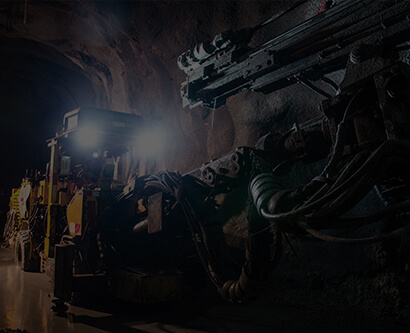
Manufacturing & Industrial Automation
Driver and I/O integration for machine controllers, data acquisition hardware, industrial interfaces, and custom automation equipment.
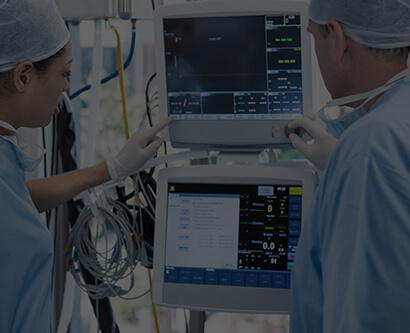
Healthcare
Low-level hardware integration for diagnostic equipment, patient monitors, medical imaging systems, and laboratory instruments.

Telecommunications & Networking
Driver development for network interfaces, communication modules, custom PCIe devices, and specialized networking equipment.
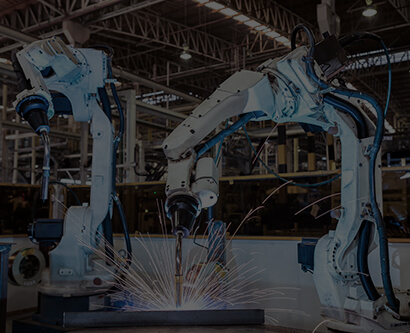
Robotics
Driver development for sensors, cameras, motor controllers, communication interfaces, and custom I/O used in robotic systems.

Automotive & Transportation
Kernel and driver development for telematics, instrument clusters, onboard computers, infotainment systems, and vehicle interfaces.
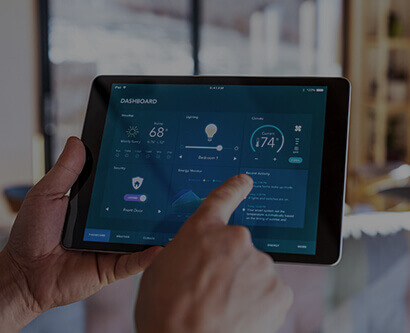
Consumer Electronics
Consumer devices, wearables, smart home solutions, desktop, mobile, and web applications.
We've worked with enterprises and startups from Europe, the USA, Australia, and Asia